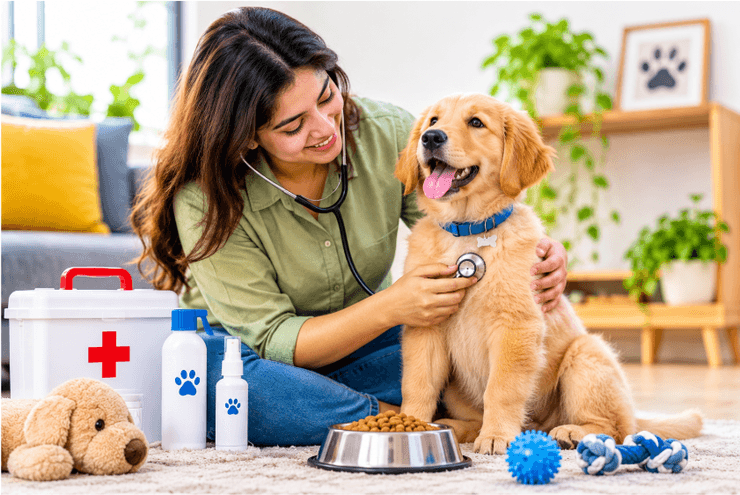
Welcoming a pet home brings responsibilities for its health, comfort, and daily care. Understanding nutrition, hygiene, preventive care, exercise, and pet insurance can help new pet parents prepare for their pet's healthcare needs. A consistent routine makes it easier to notice changes in behaviour, appetite, activity, or wellbeing. Regular veterinary guidance can support suitable healthcare decisions as a pet grows. These tips cover essential areas new pet parents should consider when establishing a healthy routine from the beginning.
Schedule Your Pet's First Veterinary Check-Up
An early veterinary appointment can help establish a baseline understanding of your new pet's health. The vet can assess weight, body condition, teeth, skin, coat, and development. Pet parents can also share available medical history and previous care records during the consultation. This visit can establish a healthcare routine suited to the pet's species, breed, age, lifestyle, and individual needs. Having pet insurance can also help pet parents manage eligible veterinary expenses, subject to the selected policy's coverage and terms.
Keep Vaccinations Up to Date
Vaccination supports preventive healthcare by protecting pets against infectious diseases. A vet can recommend suitable vaccines and timings based on species, age, vaccination history, lifestyle, and health. Local disease risks may also influence vaccination schedules.
Pet parents should maintain accurate vaccination records and bring them to veterinary appointments. These records help vets review previous doses and recommend appropriate booster timing based on the pet's age and circumstances.
Prevent Fleas, Ticks and Worms
Regular parasite prevention can form an important part of a pet's healthcare routine. Useful practices include:
â–º Flea Control: Use veterinarian-recommended products suited to the pet's age, weight, species and health.
â–º Tick Checks: Examine the coat and skin regularly, particularly after outdoor activity.
â–º Worm Management: Follow a veterinarian-advised parasite-control schedule based on your pet's age, lifestyle, health and potential exposure.
Consistent parasite care supports your pet's preventive healthcare routine.
Feed Your Pet According to Their Health Needs
Suitable nutrition supports growth, energy and everyday health. Important feeding practices include:
â–º Suitable Food: Choose food appropriate for the pet's species, life stage, size and nutritional requirements.
â–º Portion Planning: Measure suitable portions and monitor body condition with veterinary guidance.
â–º Fresh Water: Provide clean drinking water daily and wash bowls regularly.
â–º Dietary Changes: Introduce food changes gradually, with professional guidance when needed.
Consistent feeding habits can support a pet's changing nutritional needs.
Maintain Dental Care and Personal Hygiene
Regular hygiene supports comfort and provides opportunities to observe physical changes.
Important areas include:
â–º Dental Care: Follow veterinarian-recommended routines using suitable pet products.
â–º Coat and Skin: Groom according to coat type and observe skin condition.
â–º Ear and Paw Care: Check ears and paws regularly and clean them only when appropriate, using veterinary-recommended methods.
â–º Nail Care: Keep nails at a suitable length through safe trimming or professional grooming.
Familiar routines can make ongoing hygiene easier to manage.
Provide Suitable Exercise and Mental Stimulation
Daily activity supports physical fitness and natural behaviours. Exercise needs vary by species, breed, age, body condition and health. Suitable walks, play, and movement can form part of an appropriate routine.
Mental stimulation also supports everyday wellbeing and engagement. Food puzzles, training, scent activities, toys, and social interaction can provide enrichment. Pet parents can adapt activities as their companion grows and its needs change.
Create a Safe and Healthy Home Environment
A pet-friendly home supports everyday health and comfort. Useful measures include:
â–º Secure Storage: Keep medicines, cleaning products, and household chemicals in secure places.
â–º Safe Spaces: Provide clean areas for sleeping, feeding, playing and toileting.
â–º Pet-Proofing: Secure wires, balconies, windows, and small objects that could pose a risk based on the pet's behaviour and environment.
â–º Clean Surroundings: Wash bowls, bedding, and frequently used pet items regularly.
Regular household checks help maintain a suitable environment for pets.
Recognise Signs That Need Veterinary Attention
Knowing your pet's habits makes health monitoring easier. Important areas to observe include:
â–º Eating and Drinking: Observe appetite, water intake, and interest in meals.
â–º Movement and Energy: Notice walking, posture, balance, play, and activity.
â–º Breathing and Rest: Observe breathing patterns, sleep, and general comfort.
â–º Toilet Habits: Monitor urination and bowel movements regularly.
â–º Behaviour: Notice meaningful changes in sociability, responsiveness, vocalisation or grooming.
Veterinary guidance can help pet parents respond appropriately to observed health changes.
Prepare for Unexpected Healthcare Expenses
Veterinary care may create unplanned expenses during a pet's life. Cat insurance can help owners prepare for eligible expenses arising from covered events, subject to the selected policy's terms, conditions, exclusions and limits. Review coverage, waiting periods, limits, exclusions and applicable policy terms before choosing a policy.
Pet parents can explore suitable insurance options for both dogs and cats from insurers such as Bajaj General Insurance Limited. These policies may cover eligible veterinary expenses, subject to the selected policy's terms and conditions.
Conclusion
Caring for a new pet requires consistent attention to health, nutrition, hygiene, exercise and preventive care. Regular veterinary visits help pet parents make suitable decisions as their companion grows. Daily observation and a safe home also support responsible care. Planning for healthcare expenses adds another layer of preparedness. Establishing these habits early can help create a consistent routine as a pet moves through different life stages. It also helps owners understand changing needs and provide appropriate care throughout their pet's life.
*Standard T&C apply
*Insurance is the subject matter of solicitation. For more details on benefits, exclusions, limitations, terms and conditions, please read the sales brochure/policy wording carefully before concluding a sale.
*Claims are subject to terms and conditions set forth under the health insurance policy.
Insights Focus is a marketing initiative for sponsored posts. No VCCircle journalist was involved in the creation of this content.