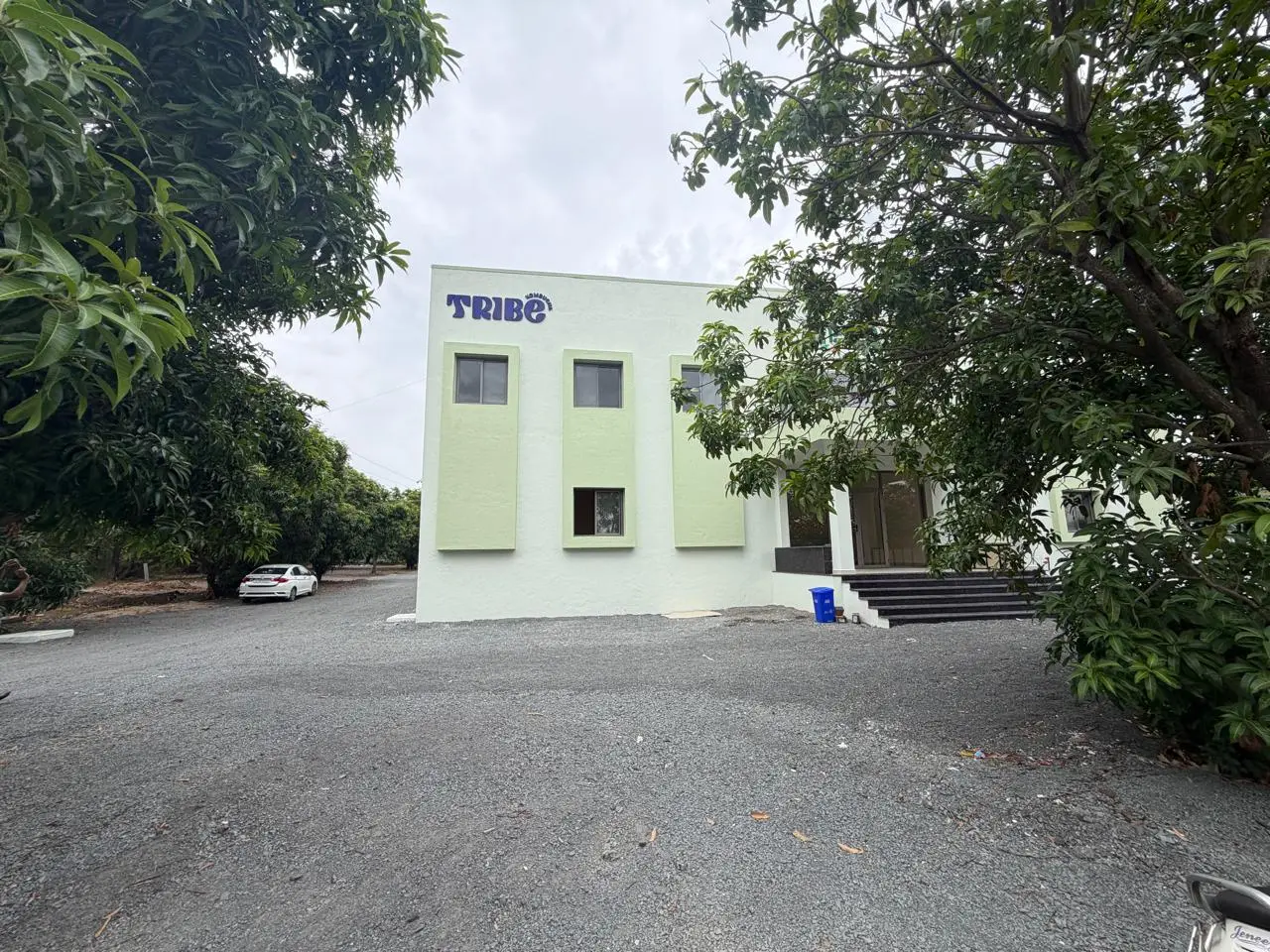
New facility aims to increase production capacity while improving process consistency, quality control and organic waste reuse
Tribe Kombucha, one of India’s fast-growing kombucha brands, led by founder Harshvardhan Chauhan, also known as “Kombucha Man of India”, has officially inaugurated its manufacturing facility in Chikhli, Gujarat. Located near Saputara in the Western Ghats, the plant is among the first dedicated and automated facilities in India exclusively for kombucha production.
The development reflects the gradual expansion of India’s functional beverage market, as consumers increasingly explore drinks positioned around fermentation, reduced sugar, digestive wellness and alternative refreshment options.
Importance of Location
The facility’s proximity to the Western Ghats provides access to clean air and water, both of which are important to the delicate fermentation process behind the Tribe Kombucha Probiotic Super Drink. Located away from major urban pollutants, the plant enables Tribe to brew at scale while remaining close to the natural conditions around which the brand has built its identity.
Automated Production and Quality Control
Kombucha is a fermented tea beverage typically produced using tea, sugar and a symbiotic culture of bacteria and yeast, commonly known as SCOBY. Its production requires close monitoring of factors such as temperature, fermentation time, hygiene and ingredient consistency.
Tribe Kombucha has introduced automation across key parts of its production line to standardise these parameters and reduce variations between batches. Automated monitoring and bottling processes also
help the company maintain consistent filling volumes, improve hygiene and support greater production efficiency.
The facility occupies a one-lakh-square-foot site and includes a 24,000-square-foot controlled production area. It is operated by a specialised team of 20 production, technical and quality-control professionals. The company states that the plant has an installed capacity of up to 10 lakh units per month. The additional capacity is expected to support Tribe’s expansion into more retail and distribution channels as demand for packaged kombucha develops in India.
Reuse of Organic Production Waste
Sustainability measures have also been incorporated into the site’s operations. The facility is located within a 20-acre mango plantation, creating an opportunity for the company to reuse some of the organic residual material generated during production.
Tea residue and spent SCOBY are processed into organic fertiliser for use in the surrounding orchard. This approach allows a portion of the organic by-products from the brewing process to be returned to the agricultural ecosystem rather than being treated solely as waste.
The company has also announced plans to install a solar power system at the facility in the coming months.
Founders's Note
"This facility is the culmination of everything we set out to build when we started Tribe, a kombucha developed and brewed in India, brewed with the same rigour and care as anywhere in the world," said Harshvardhan Chauhan, Founder, Tribe Kombucha.

"Having pioneered this category in India, my goal has always been to make kombucha accessible to every Indian household without compromising on what makes it special. This plant lets us do that at a scale we simply couldn't achieve before."
Key Takeaway
With this facility, Tribe Kombucha strengthens its position in India’s emerging kombucha market. The plant will enable the company to expand production while maintaining consistency, hygiene and product quality. It also reflects Tribe’s focus on combining automation, sustainability and traditional fermentation as it works to make kombucha accessible to a wider consumer base across India.
Insights Focus is a marketing initiative for sponsored posts. No VCCircle journalist was involved in the creation of this content.