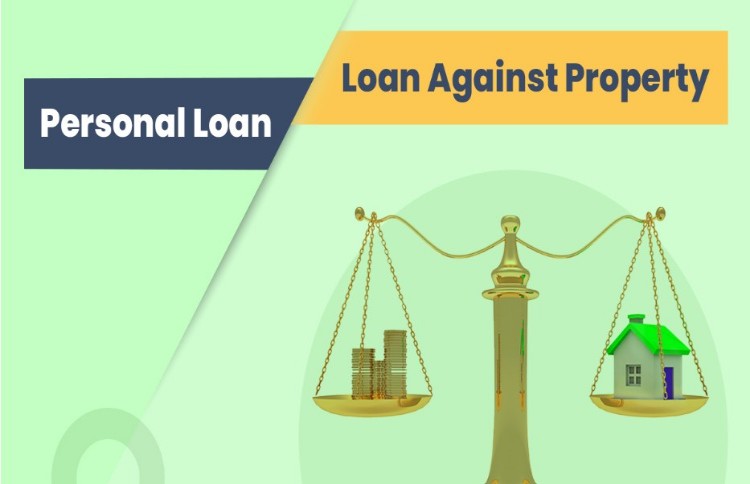
Large expenses can arise at different stages of life, whether for home renovation, higher education, medical needs, business expansion, or other financial commitments. In such situations, taking a loan can help manage costs without affecting long-term savings or investments.
Two common options are a loan against property and a personal loan. Both allow individuals to access funds for personal needs, but they differ in structure and repayment terms. A loan against property is a secured loan backed by real estate, while a personal loan is unsecured and does not require collateral. Understanding these differences can help borrowers choose the option that best suits their financial needs.
Understanding a Loan Against Property (LAP)
A loan against property (LAP) is a secured loan where borrowers pledge their residential, commercial, or industrial property as collateral to obtain funds. While the borrower continues to own and use the property, the lender retains a legal charge on it until the loan is repaid. Because the loan is backed by collateral, lenders may offer higher loan amounts and longer repayment terms than they would for unsecured loans.
Borrowers may also benefit from a relatively lower loan against property interest rate. The sanctioned amount generally depends on the property's market value, the borrower's income, and repayment capacity. LAP is used for large financial needs such as business expansion, higher education, medical expenses, home renovation, or debt consolidation.
Understanding a Personal Loan
A personal loan is an unsecured borrowing option that allows individuals to access funds without pledging any assets as collateral. Loan approval mainly depends on the borrower's financial profile, including income stability, employment history, credit score, and repayment capacity. Personal loans are widely used because they offer flexibility and can cover various expenses, such as medical emergencies, travel, weddings, home improvements, or small debt consolidation. Since no collateral is involved, lenders usually offer smaller loan amounts and shorter repayment tenures. However, the application process is generally quicker, making personal loans a convenient option for urgent financial needs.
Key Differences Between a Loan Against Property and a Personal Loan
Both loan types can help manage large expenses, but they differ in structure, loan amount, and repayment terms. Understanding these differences can help borrowers choose the option that best suits their financial needs.
| Factor | Loan against property | Personal Loan |
| Collateral Requirement | Requires residential, commercial or industrial property as security | No collateral or asset is required |
| Loan Amount | Usually offers higher loan amounts based on property value and income | Generally offers smaller loan amounts based on the borrower's financial profile |
| Repayment Tenure | Typically provides longer repayment periods | Usually comes with shorter repayment tenures |
| Processing Requirements | Involves property evaluation and legal verification | Requires fewer formalities and mainly depends on income and credit score |
Many financial institutions provide both secured and unsecured borrowing options, allowing borrowers to choose based on their needs. For example, lenders such as Tata Capital offer both loan against property and personal loan solutions through their digital platforms, helping individuals access funds with convenient application processes and flexible repayment options.
Understanding these key differences can help borrowers select the loan option that aligns with their financial needs and repayment capacity.
Interest Rates and EMI Considerations
Interest rates play an important role when comparing borrowing options. Since a loan against property is secured by real estate, lenders generally offer lower interest rates compared to unsecured loans. This can make it a cost-effective option for borrowers who need larger amounts and longer repayment periods.
Personal loans may have relatively higher interest rates because they are not backed by collateral. Lenders usually evaluate factors such as income, credit score, employment stability, and existing financial obligations before deciding the interest rate.
The interest rate, loan amount, and repayment tenure together determine the equated monthly installment (EMI). Borrowers can estimate their monthly payments in advance using tools like a loan against property EMI calculator or a personal loan EMI calculator. These tools help individuals understand how different tenures and interest rates affect their repayment commitments and allow them to plan their finances more effectively.
Planning the EMI carefully can help borrowers choose a loan structure that fits comfortably within their monthly budget.
When a Loan Against Property May Be Suitable
A loan against property may be suitable for borrowers who need substantial funding and have property available as collateral. Since the loan is secured, the loan against property interest rate is often lower than that of unsecured loans, which can make borrowing more affordable for large expenses.
This option can be helpful in situations such as:
- Financing large business investments
- Supporting higher education costs
- Funding significant home improvements
- Managing major long-term financial commitments
The longer repayment tenure associated with this loan can help reduce the pressure of higher monthly installments. However, borrowers should carefully assess their repayment capacity since the property remains pledged until the loan is fully repaid.
When a Personal Loan May Be Suitable
A personal loan may be more appropriate for borrowers who require quick access to funds without pledging any assets. It is often used for:
- Emergency medical expenses
- Short-term financial needs
- Wedding or travel costs
- Small to moderate home improvements
The application process is usually straightforward, and funds may be disbursed once approval is granted. However, borrowers should consider the repayment terms and interest rates before choosing this option.
Personal loans may work best for smaller expenses where the borrower prefers a faster process and does not want to pledge property as collateral.
Factors to Consider Before Choosing a Loan
Before selecting a borrowing option, individuals should evaluate several important factors.
- Purpose of the Loan: The size and nature of the expense often determine the most suitable loan. Large and long-term financial needs may align better with secured borrowing options.
- Repayment Capacity: Borrowers should ensure that monthly EMIs fit comfortably within their income. Choosing a manageable repayment plan helps avoid financial strain.
- Loan Tenure: Longer tenures reduce the EMI amount but may increase the total interest paid over time. Shorter tenures result in higher EMIs but may reduce the overall borrowing cost.
- Documentation and Processing Time: Borrowers who require funds quickly may prefer options with simpler application processes. Others may prioritize lower interest rates and higher loan amounts.
Evaluating these aspects can help individuals make a well-informed borrowing decision.
Conclusion
Both loan against property and personal loans can help individuals manage significant expenses, but they serve different financial needs. A loan against property offers higher loan amounts, longer tenures, and relatively lower interest rates because it is backed by real estate. Personal loans provide quicker access to funds without requiring collateral, making them suitable for shorter-term needs.
NOTE: No VCCircle Journalist was involved in the creation/production of this content.