The workplace is no longer a static backdrop to business. As organizations rethink their operating models, workforce structures and sustainability priorities, the spaces they occupy are being evaluated differently. Businesses are looking for commercial environments that combine operational efficiency with the flexibility to support growth and create the right conditions for people to perform.
This is reshaping the brief for commercial real estate. Flexibility, sustainability and workplace experience are no longer separate considerations, but interconnected elements of a well-designed commercial development.
For occupiers, Adaptability is particularly important. Business requirements can change over the course of a tenancy, whether through expansion, consolidation or new ways of working. Adaptable office spaces allow businesses to plan around their operational requirements and respond as these change.
Sustainability is also playing a greater role in occupier decision-making. As organizations strengthen their ESG commitments, the environmental performance of the buildings they occupy is coming under closer scrutiny. Green building certifications, energy efficiency, water management and the use of renewable energy are increasingly important considerations, supporting environmental objectives alongside operational efficiency.
Workplace experience is another key factor. Modern offices need to offer more than workstations, with spaces and amenities that support meetings, collaboration, recreation and everyday convenience. The focus is on creating an environment that works effectively for the business while meeting the needs of its people.
“As business needs evolve, commercial real estate must do more than meet the requirements of today. Organizations are looking for workplaces that combine operational efficiency with flexibility and an environment that supports their people. For developers, the challenge is to create assets that can adapt to these changing needs over time, while continuing to deliver value for occupiers”, Vithal Suryavanshi, CEO – Commercial Real Estate, The Phoenix Mills Ltd.
One National Park by Phoenix Mills, located in Chennai, reflects this shift in occupier expectations. Spread across approximately 6.3 lakh sq. ft., the development offers office spaces designed to accommodate a range of business requirements.
Its approach extends beyond space planning to include sustainability and operational efficiency. The building is USGBC LEED Gold Certified and incorporates features such as solar-powered common-area lighting, water-efficient infrastructure and a double-glazed façade. These measures reflect an approach to commercial development that considers environmental performance alongside the practical requirements of businesses.
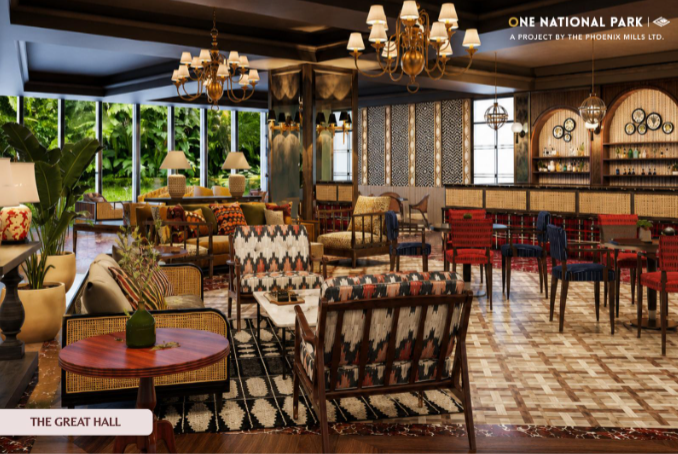
The development also brings together premium workplace infrastructure and amenities, including The Great Hall which is a dedicated amenity floor, offers spaces for meetings and business engagements, extending the workplace beyond conventional office environments. It also houses fitness facilities, pickleball courts, a crèche and recreational spaces. Together, these facilities support a workplace experience that considers the varied needs of employees throughout the working day.
As businesses reassess the role of the physical workplace, commercial real estate must respond with developments that balance space, infrastructure, sustainability and employee experience. Future readiness lies not in any single feature, but in how these elements work together to support business performance over time.
One National Park brings these considerations together in a commercial development designed to serve businesses today while offering a workplace experience aligned with the expectations of tomorrow.
Insights Focus is a marketing initiative for sponsored posts. No VCCircle journalist was involved in the creation of this content.