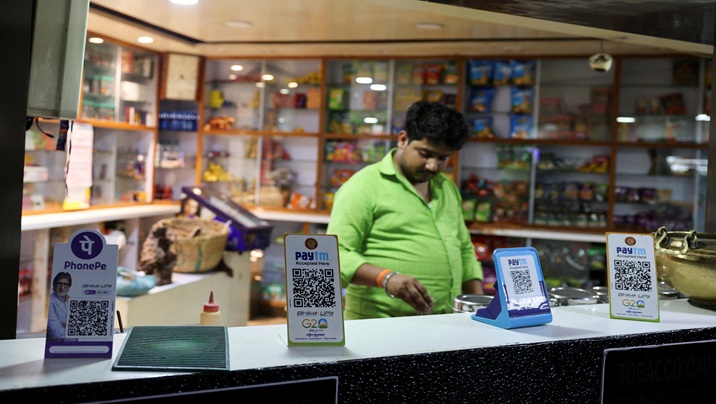
India is considering delaying the rollout of a fee on large payments via its popular Unified Payments Interface platform by a few months, according to a regulatory official and an industry executive familiar with the discussions.
India last month ended more than six years of zero-cost payments by announcing a 0.4% charge for merchants on transactions exceeding 2,000 rupees ($21), drawing opposition from retailers and a large broker.
UPI is used by over 500 million people to buy everything from roadside cups of tea to iPhones in Asia's third-largest economy. Walmart's PhonePe and Alphabet's GooglePay had about 80% market share by value of UPI transactions in August.
The fee, set to come into effect from October 15, would have coincided with India's annual festive season that runs from October through December and typically sees a surge in consumer spending.
A final decision on delaying the rollout has yet to be taken by the National Payments Corporation of India but is expected in the coming days, one of the sources said.
A delay in implementation would allow payments firms to upgrade systems and not pass on costs to customers, while addressing issues retailers may face during the festive period, the sources said, requesting anonymity as the discussions are private.
The fee could kick in from January, the industry executive said.
An email to the NPCI was not answered. Moneycontrol first reported the likely delay.
Stocks of Indian digital payments firms slid on Thursday as these companies would benefit from the charge. Paytm and Mobikwik dropped 5.5% and 7%, respectively, while Pine Labs slid 3%.