AI governance platform Disseqt AI and dialysis-care provider VitusCare have raised fresh funding to expand their enterprise technology, healthcare networks and operations.
Dublin-headquartered AI governance and assurance platform Disseqt AI, which has a significant presence in India, has raised $8 million (Rs 74.6 crore) in a funding round led by Gresham House Ventures.
The round also saw participation from Sure Valley Ventures, Delta Partners and Enterprise Ireland, along with angel investors including senior executives from OpenAI, Palo Alto Networks, Salesforce and Meta, and former India cricketer Rahul Dravid in his individual capacity.
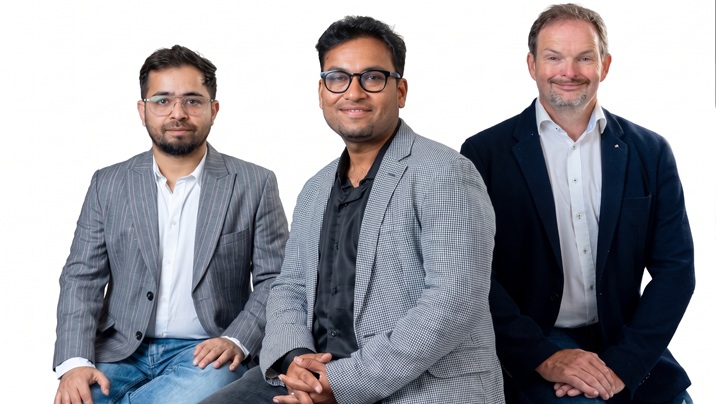
Founded in 2025 by Apoorva Kumar, Manish Atri and Cyril Treacy, the company helps enterprises test AI applications before deployment, enforce organisational policies once they go live and monitor their behaviour continuously. Its platform also maintains audit records and can block outputs that breach company policies.
Disseqt AI will use the fresh capital to expand its enterprise customer base globally and strengthen its presence in key markets. It works with AI labs and enterprises to identify vulnerabilities, including risks of AI agents exposing confidential customer data, and provide ongoing oversight of their behaviour.
VitusCare, a dialysis-care provider focused on expanding access to specialised kidney care in underserved markets, has raised $3 million in a Series B funding round led by Singapore-based healthcare investor Liberty Ridge Capital.
The round also saw participation from HDFC Bank, Equentis, NAFA Capital Advisors, existing investors 1Crowd and 3i Partners, and angel investors.
Founded by Prabhat Shrivastava, the company operates more than 60 dialysis centres across nine states and over 50 cities. It has treated over 35,000 patients and delivered more than 8 lakh dialysis sessions. VitusCare reported nearly threefold revenue growth in FY26 and positive corporate EBITDA during the year.
The company will use the fresh capital to expand its network, develop technology and train its workforce. It operates through a capital-light shop-in-shop model, partnering with existing hospitals to provide dialysis services rather than setting up standalone facilities.
VitusCare plans to increase its network to more than 100 centres by the end of FY27 and is exploring opportunities in select Asian markets. It is also developing AI-led business modules and plans to set up a technician academy to strengthen the supply of skilled dialysis professionals.