State-run renewable energy lender Indian Renewable Energy Development Agency Ltd (IREDA) plans to partner with global financial institutions to raise cheaper, long-term green funding for domestic companies, an executive director at IREDA said.
India is pursuing one of the world's largest renewable energy expansion programmes as it seeks to reduce emissions and meet rising power demand.
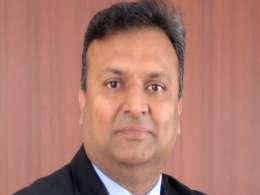
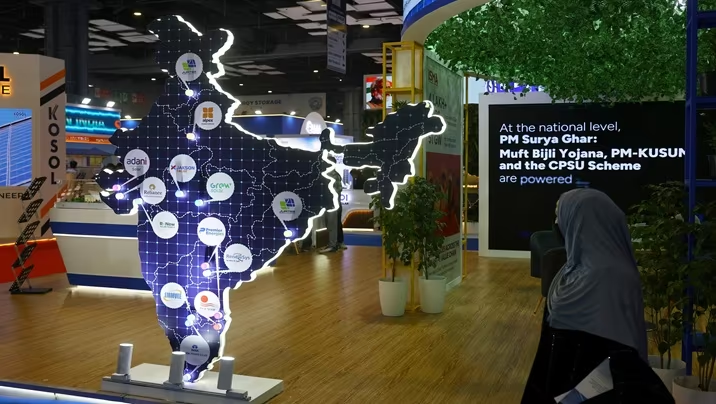
"We are looking to tie up with global banks, institutional investors and multilaterals for long-term funding partnership to raise more green finance at competitive rates," Tusarkanta Parida said at the Bharat Renewable Energy Summit on Wednesday.
Renewable energy developers in India have long complained about borrowing costs of about 11% to 12%, compared with financing costs of 2% to 3% in developed markets.
"We need to make project finance easier," Parida said.
He declined to identify the institutions involved in the proposed partnerships.
India will need $220 billion of investment over the next three years in renewable energy and related transmission infrastructure to meet its goal of 500 gigawatts of non-fossil fuel power capacity by 2030, according to government estimates.
The country attracted about $64 billion of private investment into clean energy between 2024 and 2026, including $6.2 billion in foreign investment.
Developers are also grappling with issues including land acquisition hurdles and power curbs caused by inadequate transmission infrastructure.
India's grid has struggled to keep pace with rapid renewable energy capacity additions, leading some developers to waste generated electricity or delay projects until transmission links become available.
For developers, those disruptions can have a cascading effect on project finances, said Kailash Vaswani, chief financial officer of ReNew Energy Global.
"Developers do not assume curtailment while planning projects," Vaswani said.
Lost generation reduces cash flow, making it harder to service and repay debt on time, while increasing borrowing costs and limiting the ability to raise fresh debt or equity, he said.