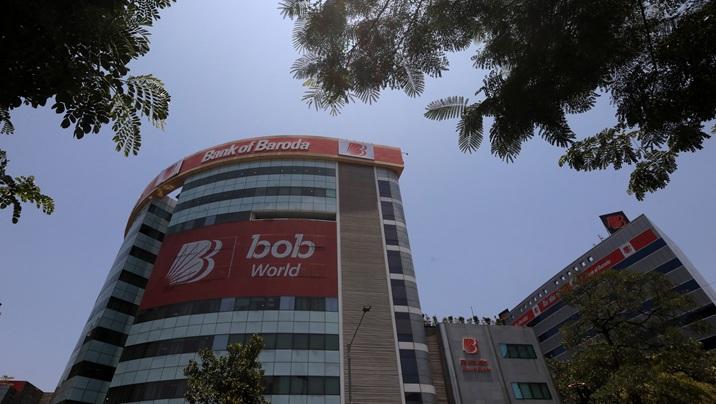
Bank of Baroda on Wednesday said it will protect its interests, a day after UAE-based businessman and founder of NMC Health filed a $15 billion case against the lender and 25 other defendants in the Bombay High Court.
NMC Health founder B.R. Shetty alleged that Bank of Baroda and several current and former employees helped facilitate a fraud that contributed to the collapse of the Middle East healthcare group, according to a court filing reviewed by Reuters.
The firm, then the Gulf's largest private healthcare provider, was placed under administration in 2020 after months of financial mismanagement, and disclosed debts of $6.6 billion, above earlier estimates of $2.1 billion.
Representatives for Shetty did not immediately respond to Reuters requests for comment.
In a stock exchange notification on Wednesday, the country's second-largest state lender said, "The Bank has not been served with such a suit and cannot comment on the contents of pleadings which are untested in court. If and when the Bank is served, the Bank will defend the suit firmly and take all steps necessary to protect its interests."
Bank of Baroda added that it was pursuing recovery and enforcement proceedings in India and UAE against Shetty for outstanding dues of 28 billion rupees ($294.57 million) and had obtained several decrees against him.
The lender will not bear any immediate liability till any order is passed and/or till it is required to make a provision on account of potential damages, the lender said.
Bank of Baroda shares dropped 2.6% on Tuesday after the suit was reported. The stock is down 2.6% at 231.4 rupees on Wednesday.
The lawsuit, which centres on the bank's lending to NMC Health and affiliated entities in the UAE, comes three months after the lender agreed to pay $600 million to settle claims brought by administrators of NMC.
Shetty alleged that bank officials enabled round-tripping transactions, ignored repeated anti-money laundering warnings and accepted documents bearing forged signatures.
He is seeking $5 billion in direct damages, $5 billion in consequential damages and an additional $5 billion for reputational harm, the filing showed.